How the market for patents has developed and how patents are valued in it.
Published 2021. Details such as laws, standards, and market conditions may have changed since.
What is an IP market?
Intellectual property (IP) market development is the abstraction of value. For centuries the general rule has been that the fewer people who know what you are doing, the better off you are. That rule meant that the merchants had it better off than the farmers and factory workers. There is also risk involved with the investment and development of an IP market.
Everyone in the market is trying to commoditize their competitors. For example, when a company makes a chip, there is another company simultaneously trying to commoditize that chip by building a system on it. Generally speaking, that system will then be worth about ten times the value of the chip itself. Then, another company will try to commoditize the system by building software on it. That company will insist that the software is the brain and that the money should come from there. Finally, another company will give the software away for free, but will put ads and services on top of it to create revenue. There are constantly companies and individuals trying to commoditize previous products.
For this reason, companies now focus on the vertical integration of their products. If they can build upon their own products and commoditize it themselves, they can be more profitable by maintaining value throughout that process. Amazon, Google, Microsoft are good examples of how to protect against commoditization and maintain their customer base. Microsoft is also a good example of modern IP market development. They are known for reversing their direction because their original strategy focused on software, but they are now reverting back to building hardware as well.
The question is, do you abstract business until inevitably you have a market of patentable ideas and you now trade license and monetize patentable ideas? That’s the philosophy of the modern IP market. This market exists today, it is developing, and it is expanding. Patents have been sold for nearly 150 years, but the IP market is now developing quickly.
What is the modern IP market landscape?
We now see considerable amounts of IP being generated. This includes big name companies, universities, individual inventors, and startups. Additionally, a sophisticated network of brokers and finders has developed. Anyone who has been granted a patent has most likely been contacted by a minimum of 1-5 patent brokers. These patent brokers know the market and know what buyers are looking for and how much they are willing to pay.
Emerging technology such as semiconductors, wearables, the Internet of Things, and augmented reality are producing a large amount of intellectual property. Some companies are purchasing large numbers of these types of patents in consortia transactions. Licensing firms, aggregators, and clearance houses add to the scale of the IP market growth. Not to be overlooked, are the mergers & acquisition departments found in all big companies. Their goal for valuable IP is to “get it off the streets.”
A great example of modern-day IP market development for transactions is the 2013 Kodak transaction related to digital imaging patents. Kodak completed a $527 million transaction with a consortium that included Google, Apple, Facebook, and Microsoft. A portion of the $527 million was paid by 12 intellectual property licensees organized by Intellectual Ventures and RPX Corporation. Another portion was paid by Intellectual Ventures which acquired a substantial majority of the digital imaging patent portfolio subject to these new licenses, as well as previously existing licenses.
Determining the rights of each consortium member, who owns the rights to which patent, and who will own the IP after licensing is completed, are all important questions. This leads to the booming industry of IP valuations.
How much is a patent worth?
The cost-based method considers the costs of research and development (R&D), legal fees, translation, and similar expenses. It shows what the seller spent, which says little about the future value of the IP.
The market-based approach considers like-for-like and works well in real estate. For example, a house in the same neighborhood, with the same lot size, should be valued similarly. This method of comparables is useful mainly for very large portfolios.
The asking-price method means the owner of the patent sets the price and is only willing to sell if they get it. This method can attract bidders as high as eight figures or more.
An income-based method of IP valuation uses a discounted cash flow (DCF) model. A consideration is made based on what the owners plan to do with the patent. It is the most commonly used method because it considers the business fit (product coverage, mergers and acquisitions (M&A), licensing, litigation ) as well as the technology (core or peripheral) coverage.
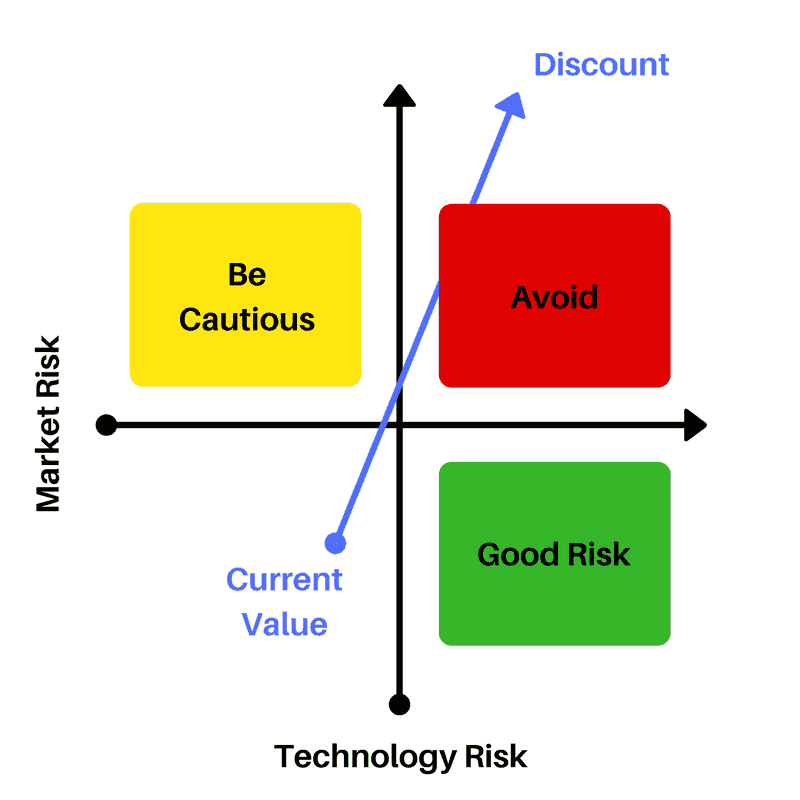
The number of patents needed to perform a certain business function and whether cross licensing or litigation dispute settlement can be facilitated is also important. As with any DCF calculations, it is important to consider whether the buyer is interested more in the current value or the future value of the patent. Discounts must be made based on the risks associated with the future value.
This type of valuation can be considered a bit of an art when determining the current value of IP.
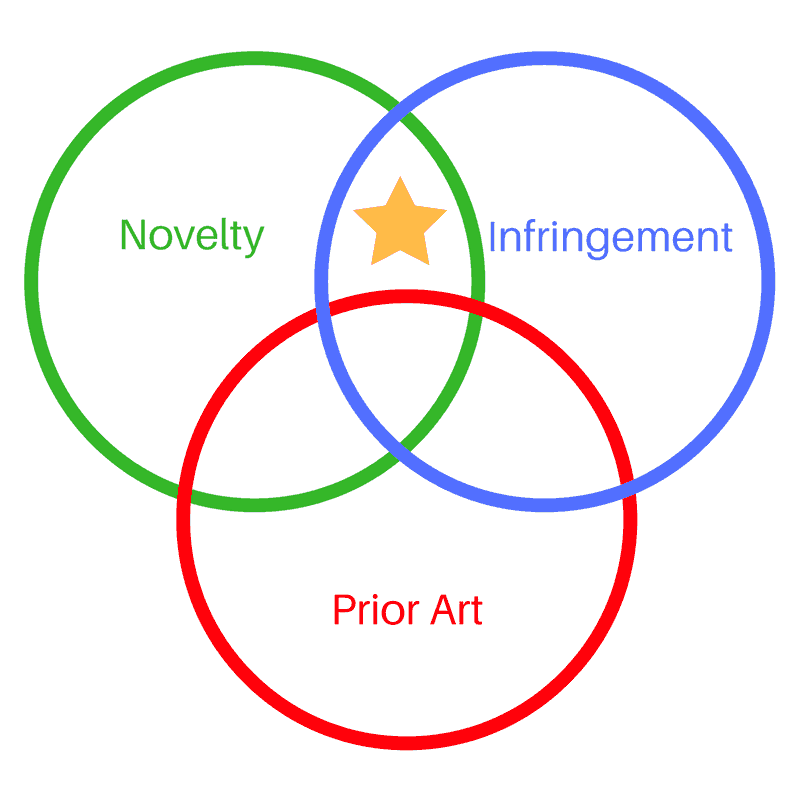
A patent is more valuable if it is novel and avoids both infringement and prior art. Standard essential patents that also have functional aspects are the most valuable. Modern IP market development includes an increased focus on patents with standard and functional aspects because of the large amount of money involved in potential transactions.
Where the IP market is heading
The patent and IP market development is inevitably wide and is formed from an ancient market with a modern philosophy. Portfolio valuation is primarily done by the cost-based, market-based, and most commonly, income-based (DCF) valuation models.
As you can see, there is a sophisticated and growing patent and patent portfolio market growing across the globe. This IP market development will continue to grow for years to come as we see commoditization increase. Dr. Masoud Vakili, GHB Intellect’s Chief Strategy Officer, presented on this topic for the International Intellectual Property Law Association. To learn more about valuations, read about GHB Intellect’s IP valuation services.