A teardown to the silicon, a component-level bill of materials, and a should-cost model
A client needed a complete teardown, bill of materials, and should-cost analysis of a video surveillance device, plus design improvement recommendations. GHB Intellect carried out a systematic disassembly down to the component level, including silicon decapsulation, and delivered a detailed bill of materials (BOM) and cost model with actionable engineering suggestions.
Case study · Reverse engineering · Teardown & Should-Cost · Hardware
The situation
- Device
- Video surveillance and communication equipment
- Deliverables requested
- Detailed BOM, should-cost analysis, design improvement recommendations
The device was a video surveillance and communication unit that captures remote video and carries audio over the Internet. The client needed to know exactly what was inside it, what it should cost to manufacture, and where the design could be improved.
Those three questions sound straightforward. Answering them rigorously takes a specific combination of testing capability, component expertise, and cost modeling discipline. Teardowns that stop at the board level miss what’s inside the chips. Cost analyses that rely on catalog pricing miss the realities of volume purchasing and actual assembly cost. Our approach addresses both.
The challenge
- Scope
- Full device teardown to the component and silicon level
- Complexity
- Mixed electrical, electronic, and mechanical components across multiple modules
- Key requirement
- A should-cost model based on actual components, not estimates
- Added scope
- Design improvement recommendations that call for actionable engineering judgment
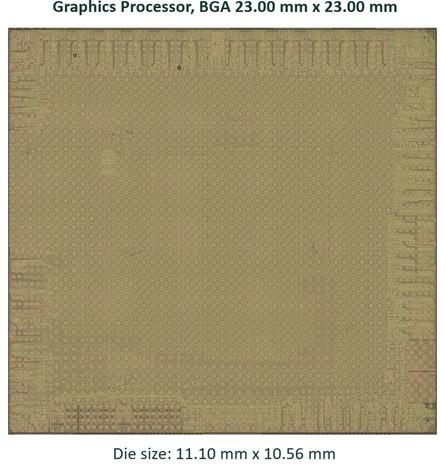
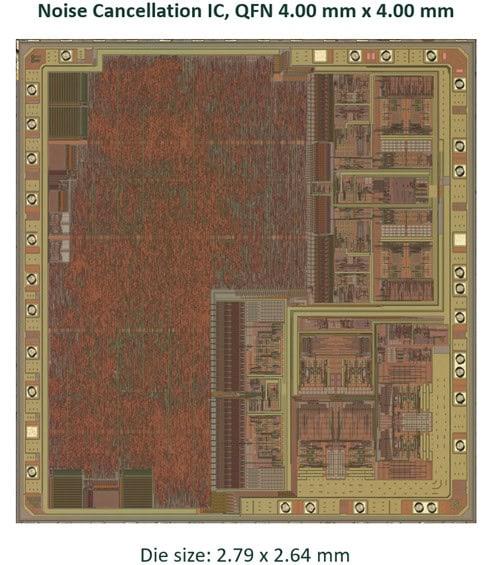
A rigorous BOM takes more than listing what’s on the board. It means identifying every component by part number, package type, pin count, dimensions, and module. It means resolving markings that aren’t in public databases. For integrated circuits (ICs) with sanded or obscured markings, it means decapsulation and die-level analysis to confirm identity.
The should-cost analysis had to turn that component inventory into a realistic manufacturing cost model. The improvement recommendations needed an engineer who could look at the design and see where cost, reliability, or performance could be improved without compromising function.
What GHB Intellect did
- Expert team
- A BOM engineer with teardown experience and a should-cost analysis expert
- Lab work
- Systematic disassembly, component imaging, silicon decapsulation
- BOM output
- A full component catalog with part numbers, markings, package types, pin counts, and dimensions
- Cost model
- Component-level cost analysis with a manufacturing cost summary
- Added analysis
- Design improvement recommendations based on engineering review
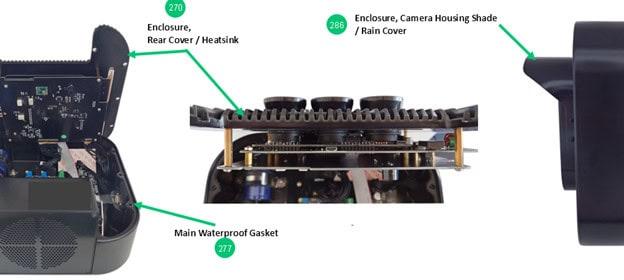
The teardown proceeded systematically. We documented the device before disassembly, then worked through each module, imaging and cataloging every component. For ICs that couldn’t be identified from external markings, silicon decapsulation gave die-level confirmation.
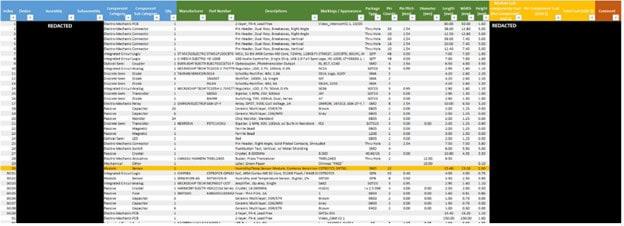
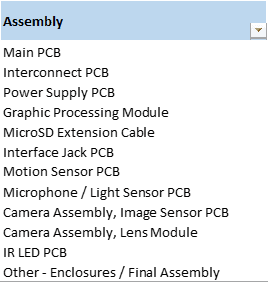
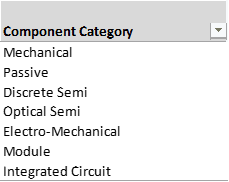
The BOM was organized by module. Each entry captured category, subcategory, quantity, part number, description, markings, package type, pin count, pin pitch, and physical dimensions. That level of detail isn’t optional in a litigation or mergers and acquisitions (M&A) context. It separates an analysis that holds up from an educated guess.
The should-cost analysis used the component-level BOM as its foundation, applying current market pricing and volume assumptions to build a bottom-up manufacturing cost model. The design improvement section identified specific opportunities to reduce cost or improve reliability, based on our review of the design decisions in the actual hardware.
Outcomes
- BOM delivered
- A complete component-level bill of materials across all modules
- Should-cost delivered
- A manufacturing cost summary with component-level detail
- Design recommendations
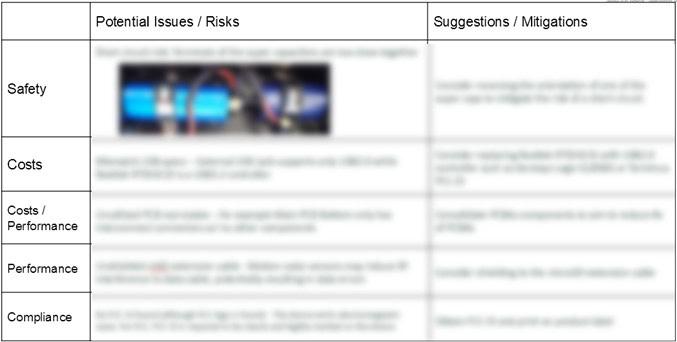
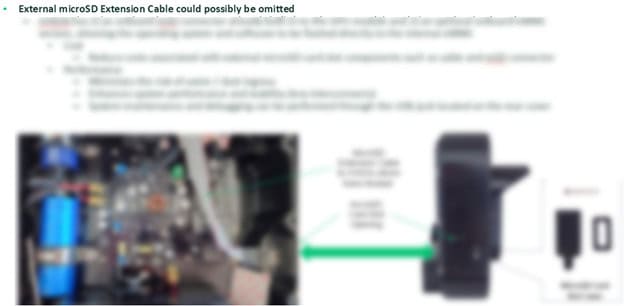
- Specific improvements identified and documented
Figures

Related work
Teardown and competitive analysis
Bill of materials (BOM) analysis, cost analysis, and benchmarking, from the whole product down to the die and the materials.
Technical assessment
An independent read on whether a technology works, scales, and is ready.
M&A IP advisory
Technical intellectual property (IP) diligence for acquirers and investors, on the deal timeline.
Tell us what you need to know
A senior person replies within one business day. All inquiries are confidential.